Review Of Bladder Control Problems Ideas. Bladder prolapse (when the bladder moves from its normal position and pushes onto the wall of the vagina) bladder cancer Web urinary incontinence can also be a persistent condition caused by underlying physical problems or changes, including:
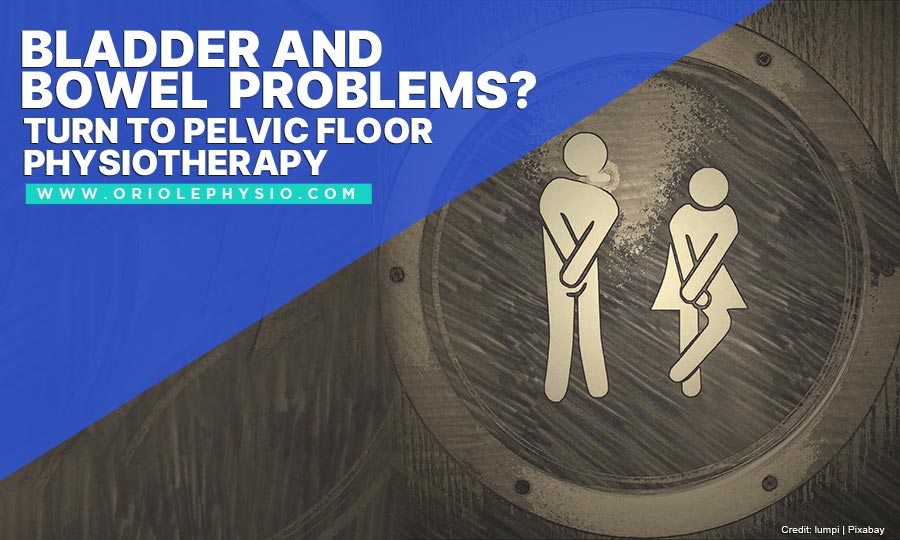
Bladder and Bowel Problems? Turn to Pelvic Floor Physiotherapy Oriole from oriolephysio.com
Your doctor is likely to start with a thorough history and physical exam. Web urinary incontinence, or poor bladder control, is very common in australia. Pregnancy or childbirth menopause obesity and overweight urinary tract infections (uti) constipation (difficulty doing a poo) prostate removal
Web What Causes Bladder Control Problems?
Web other problems that can affect the bladder include: Your doctor is likely to start with a thorough history and physical exam. In australia one in three women, one in ten men and one in five children have a bladder control problem.
Bladder Prolapse (When The Bladder Moves From Its Normal Position And Pushes Onto The Wall Of The Vagina) Bladder Cancer
Web overactive bladder, also called oab, causes a frequent and sudden urge to urinate that may be difficult to control. Withdraw from social situations, having less contact with people. Leak or wet yourself when you play sport?
Many Conditions Can Affect The Bladder:
You may feel like you need to pass urine many times during the day and night, and may also experience unintentional loss of. Web do you have a bladder control problem? That information will guide treatment decisions.
Often Have To Rush To Use The Toilet?
Nerves carry messages from the bladder to the. Sometimes wear pads to absorb urine, or ‘just in case’? Leak or wet yourself when you lift something heavy?
Leak Or Wet Yourself When You Cough, Laugh Or Sneeze?
Web bladder control problems are most common in older people, however they can occur at any stage throughout your life. Learn more about urinary incontinence Web mayo clinic diagnosis it's important to determine the type of urinary incontinence that you have, and your symptoms often tell your doctor which type you have.


No comments:
Post a Comment